
Microplates
96 well microplates are a staple in research, clinical, and diagnostic laboratories — used for sample storage, assays, cell culture, and high-throughput screening workflows. Available in multiple well geometries, including flat-bottom, U-bottom, and V-bottom microplates, these plates are designed to support a wide range of applications from ELISA and optical measurements to sample storage and centrifugation. Offered in clear, white, and black microplates, each color serves a specific purpose depending on detection method and assay requirements. Whether you're running fluorescence assays, absorbance readings, or general sample preparation, high-quality 96 well microplates provide consistent performance, reliable well geometry, and compatibility with standard plate readers and automation systems.


Choosing the Right 96 Well Microplates
In laboratory workflows, selecting the correct microplate is important for assay accuracy, instrument compatibility, and overall workflow efficiency. Well shape, plate color, and material all influence how samples behave and how signals are detected during analysis.
Whether you're performing ELISA, PCR preparation, cell culture, or compound storage, choosing the correct plate type ensures more reliable and reproducible results. Here are the key factors to consider when selecting 96 well microplates.
Well bottom shape:
Flat-bottom plates are ideal for ELISA, optical measurements, and cell culture. U-bottom plates are commonly used for cell aggregation and washing steps. V-bottom plates are ideal for sample recovery and centrifugation because liquids collect at a single point.
Plate color:
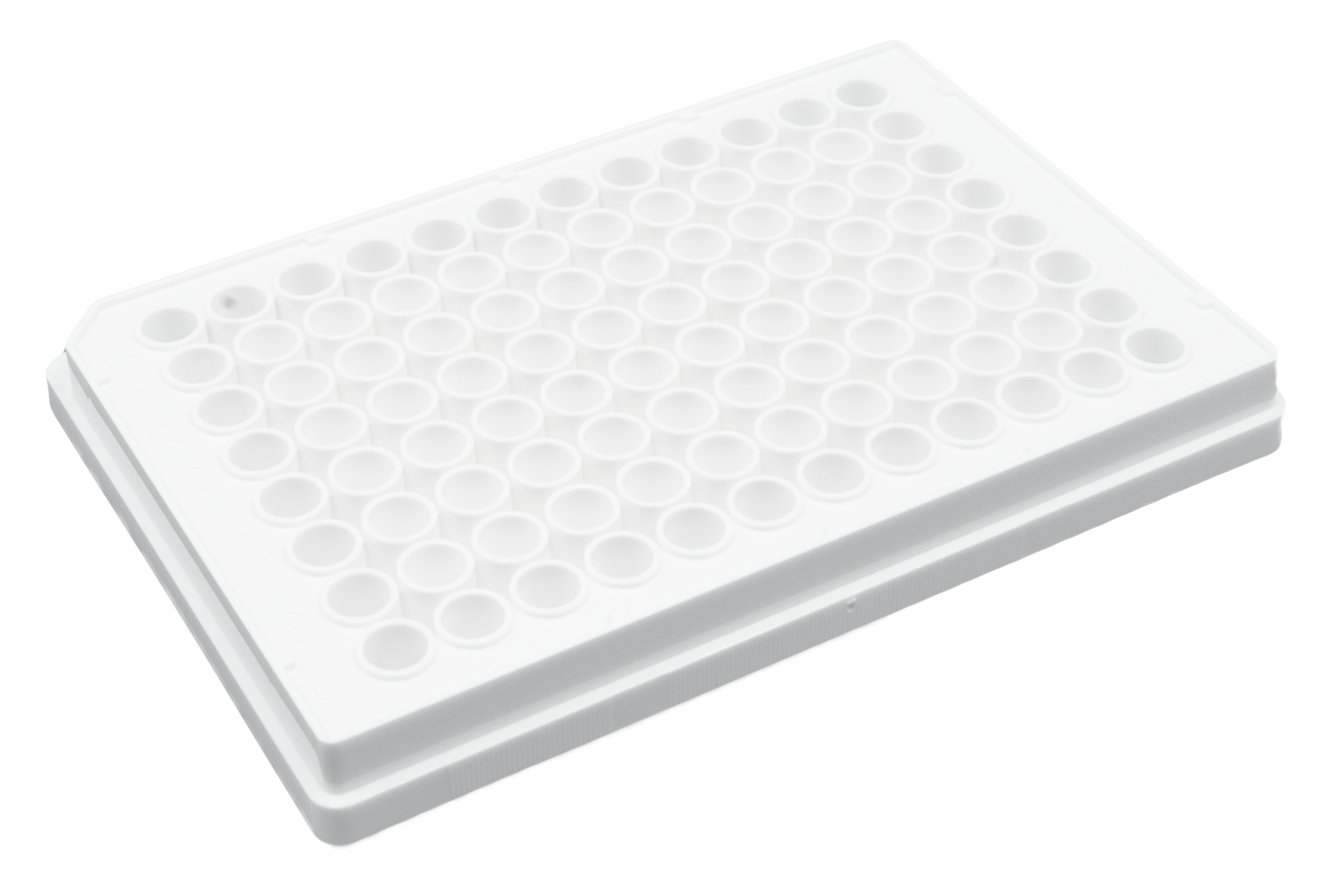
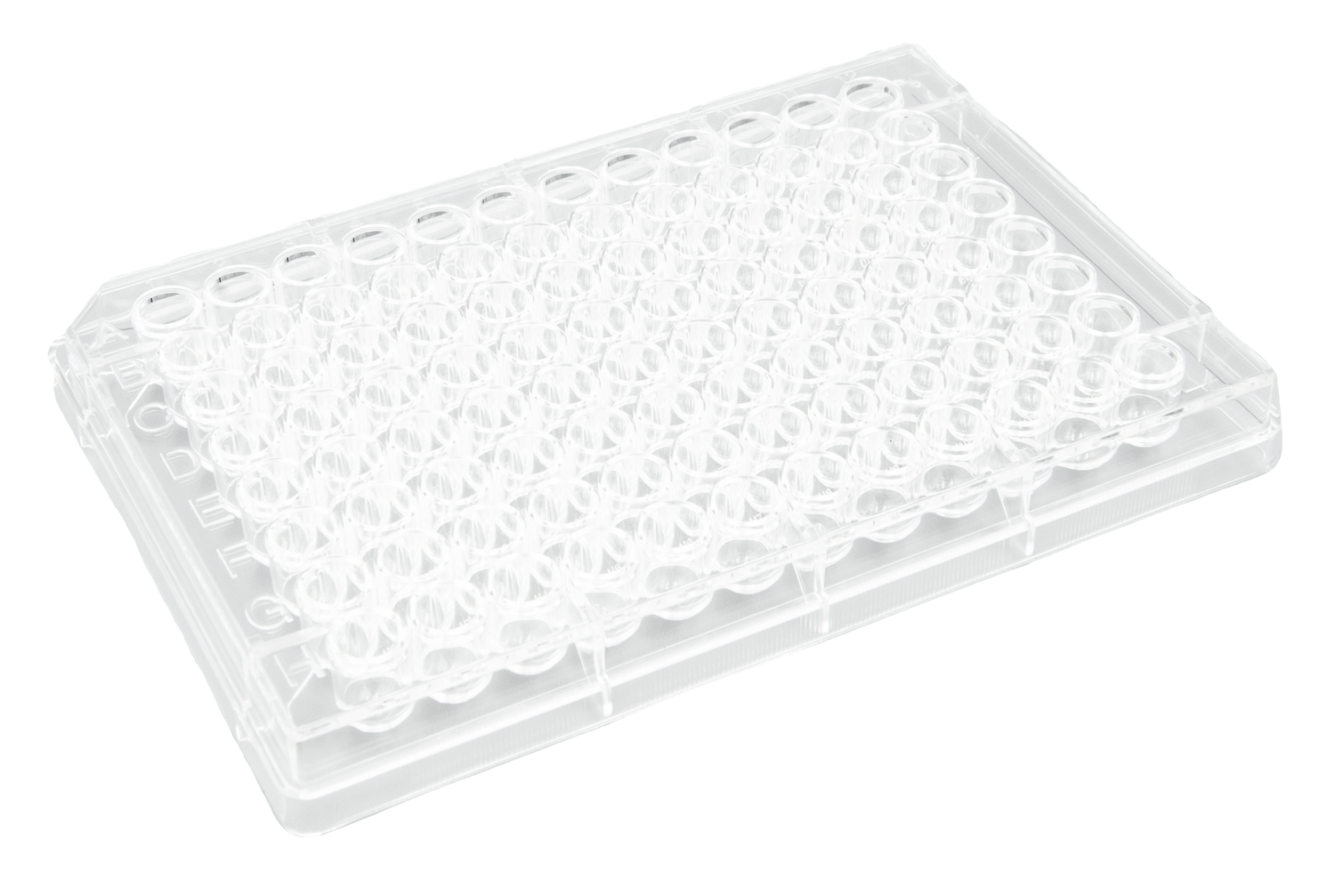
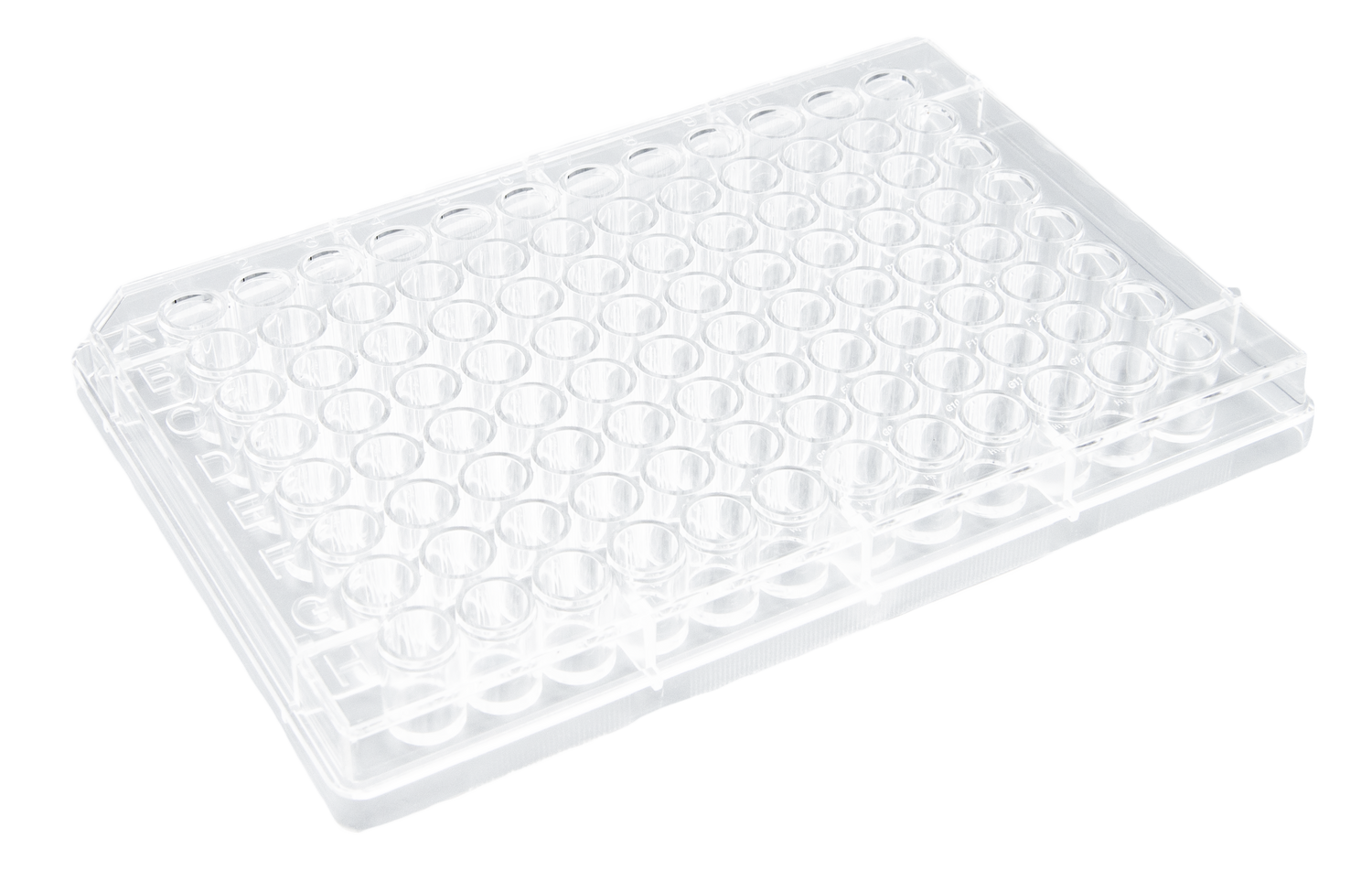
Clear microplates are used for absorbance measurements and general sample storage. White microplates enhance luminescence signals and improve assay sensitivity. Black microplates reduce background signal and are ideal for fluorescence assays.
Material:
Most microplates are made from medical-grade polystyrene, providing optical clarity, chemical resistance, and compatibility with most laboratory instruments.
Working volume:
Standard 96 well microplates typically have a working volume range of approximately 200–350 µL per well, depending on well shape and design.
Sterility:
Sterile plates are recommended for cell culture, microbiology, and sensitive assays where contamination must be avoided.
Automation compatibility:
Uniform well spacing and plate dimensions ensure compatibility with automated liquid handlers, plate readers, and robotic systems.
Packaging options:
Available in individual sterile packaging or bulk packs for high-throughput laboratories.
For most laboratory applications, keeping a combination of clear flat-bottom microplates for ELISA and absorbance work, black microplates for fluorescence assays, and white microplates for luminescence assays will cover the majority of workflows. U-bottom and V-bottom plates are useful for cell work, centrifugation, and sample collection applications.
If you need help selecting the right well shape, plate color, or packaging configuration for your application, contact our team — we’re happy to help you choose the right microplate for your workflow.